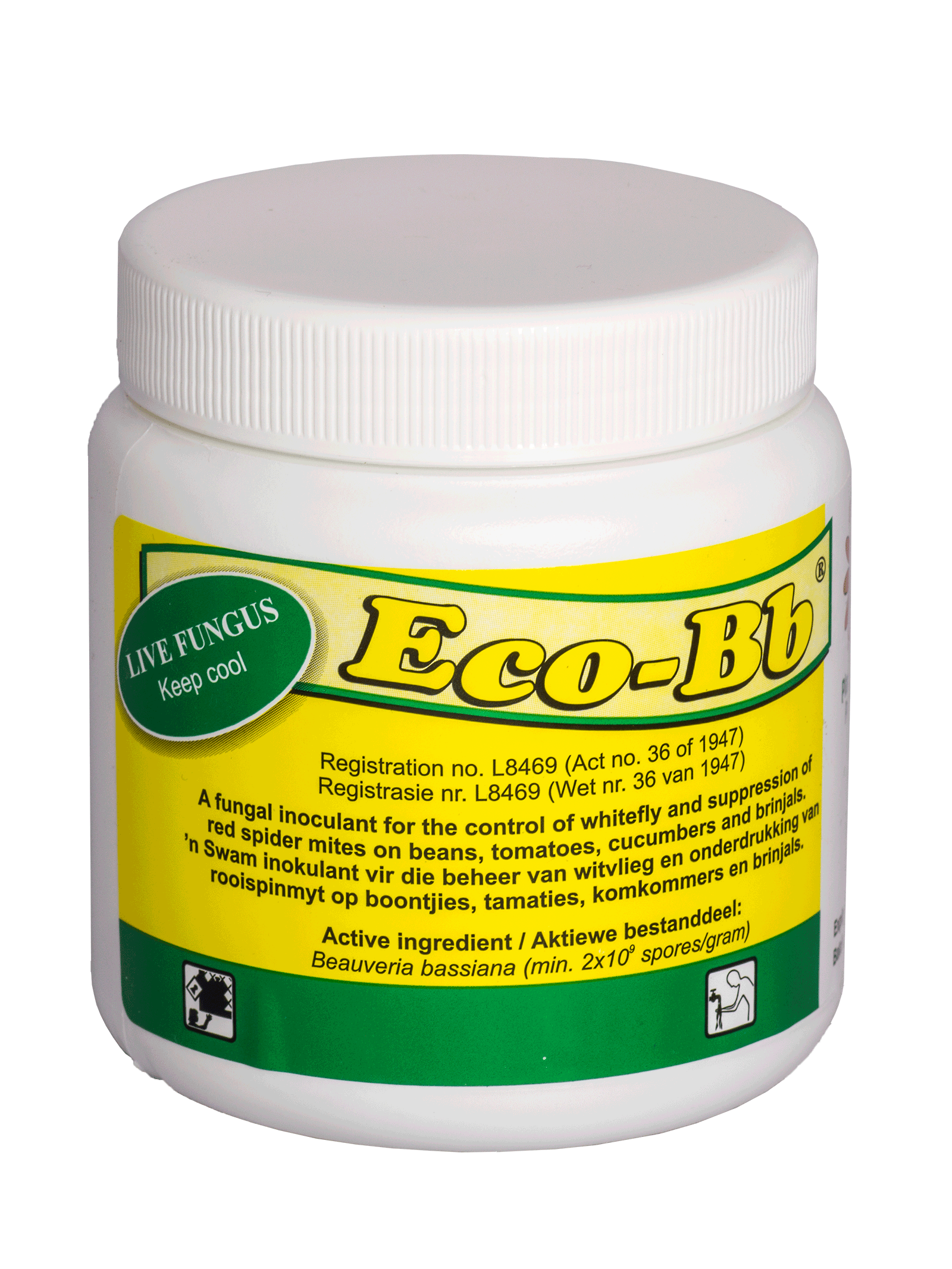
Spider mite is a member of the Acari (mite) family Tetranychidae, which includes about 1,200 species. They generally live on the undersides of leaves of plants, where they may spin protective silk webs, and they can cause damage by puncturing the plant cells to feed. Hot, dry conditions are often associated with population build-up of spider mites. One female can lay up to 20 eggs per day and can live for 2 to 4 weeks. Spider mites are known to feed on several hu ndred species of plants.
Spider mites pierce the epidermis and extract sap. Lightly infested leaves have a stippled appearance; heavily infested leaves turn completely pale and dry up. The end result may leave the entire plant dead. The under-surfaces of the leaves usually have silken webs over which the mites crawl. A heavily infested plant, however, may have webs all over it, including the grain heads or ears. A rapid increase in spider mite populations is closely associated with drought conditions and symptoms are very similar from a distance.
The best known member of the group is Tetranychus urticae, which has a cosmopolitan distribution, and attacks a wide range of plants, including peppers, tomatoes, potatoes, beans, corn, cannabis, and strawberries. Other species which can be important pests of commercial plants include Panonychus ulmi (fruit tree red spider mite) and Panonychus citri (citrus red mite).